
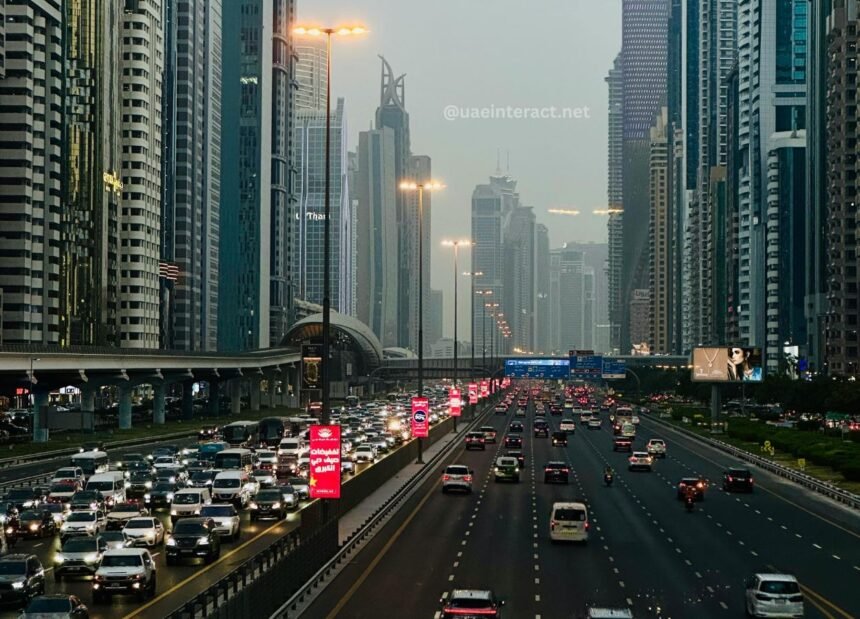
Dubai Police have made a change by using AI-powered smart radar systems. These systems can find different traffic problems at the same time. This is part of the emirates effort to make roads safer by using technology. The smart radars can find eight types of mistakes which helps officials to watch how drivers act better and stop driving as it happens.
Old speed cameras mostly take pictures of people going fast but the new radars use intelligence and computer vision. This helps them watch kinds of mistakes. The system is made to take proof and send fines according to the rules in the UAE. This helps to make sure there are mistakes made by people and makes sure the rules are followed better.
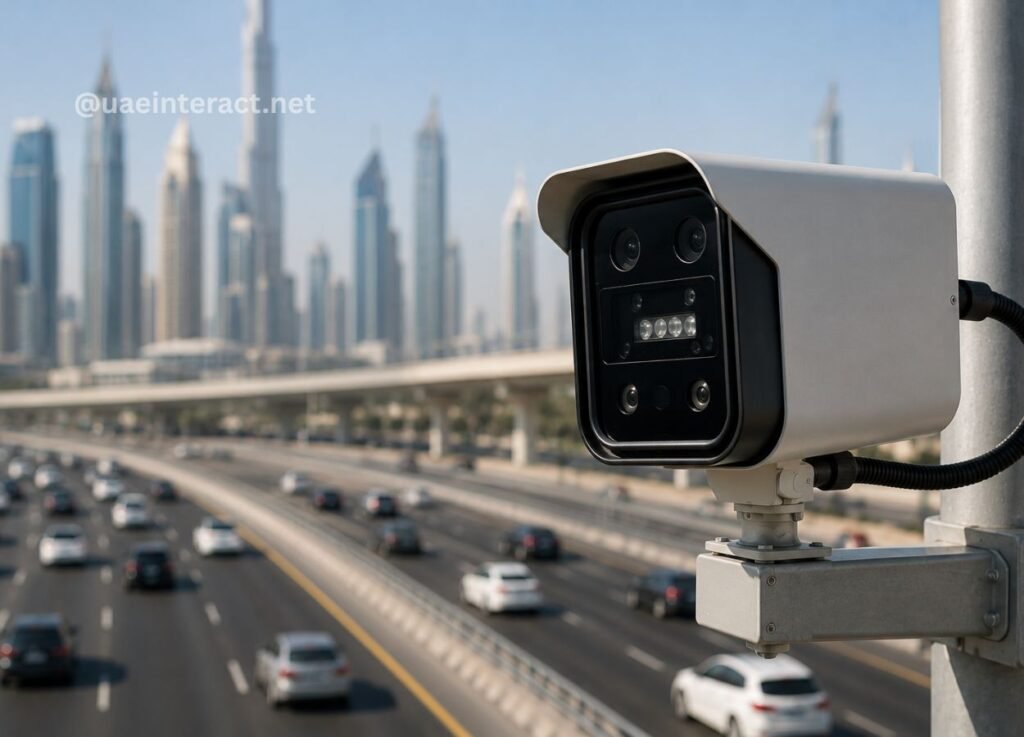
The eight offences detected by Dubai’s AI radars include:
- Speeding
- Running a red light
- Using a mobile phone while driving
- Failing to wear a seat belt
- Sudden lane changes without signalling
- Failure to maintain a safe distance from the vehicle ahead (tailgating)
- Driving on the hard shoulder without authorisation
- Failure to give priority to pedestrians at designated crossings
Penalties vary depending on the offence. Serious speeding violations can result in fines of up to Dh3,000, 23 black points and vehicle impoundment, while other offences such as mobile phone use, seat belt violations and tailgating also carry financial penalties and black points under UAE traffic laws. Authorities say the objective is to deter risky driving rather than increase revenue from fines.
Dubai Police said the AI radar network forms part of the emirate’s wider smart city strategy, using technology to improve road safety and reduce traffic-related injuries. The cameras continuously analyse traffic conditions and driver behaviour, enabling quicker detection of dangerous actions that may otherwise go unnoticed.
Officials continue to urge motorists to follow traffic regulations, avoid distractions and drive responsibly. As AI-powered enforcement becomes more widespread across Dubai, compliance with road safety rules remains the most effective way for drivers to avoid penalties while contributing to safer roads for all users.