For the primary time because the match started in 1930, 8 Arab international locations will take their position on soccer’s largest degree: a milestone
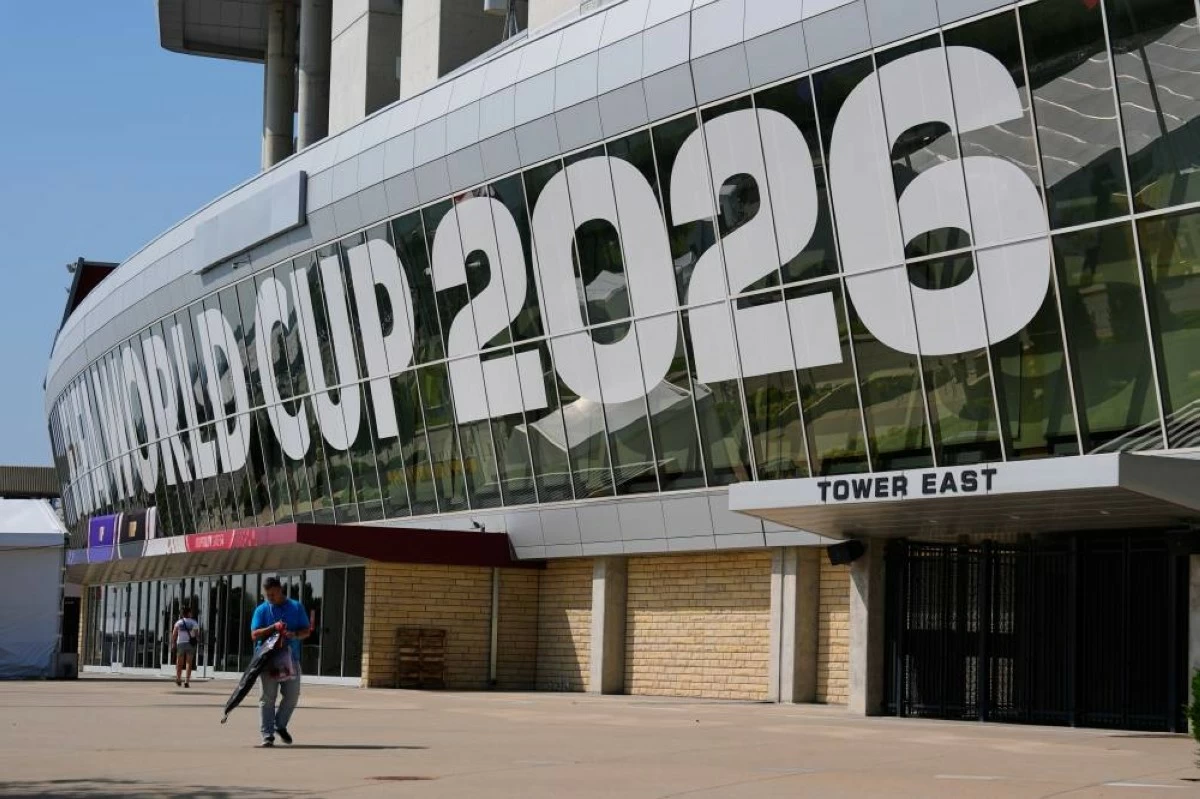
The 2026 FIFA Global Cup will mark an exceptional second for the Arab international. For the primary time because the match started in 1930, 8 Arab international locations will take their position on soccer’s largest degree. This is a milestone that extends a long way past recreation. It displays a area whose self assurance, funding, and ambition have reshaped its presence in international arenas. What was once as soon as symbolic participation has advanced right into a collective commentary of capacity and aspiration.
For many years, Arab illustration on the Global Cup was once restricted — one or two groups each and every 4 years, frequently sporting the hopes of a complete area. In 2010 and 2014, just one Arab staff certified. In 2006 and 2002, there have been two. Even the 2018 and 2022 editions, which featured 4 Arab groups each and every, now appear modest via comparability. The bounce from 4 to 8 isn’t simply numerical; it indicators a structural transformation in Arab soccer. It displays years of funding in adolescence construction, skilled leagues, and sports activities infrastructure — specifically within the Gulf, the place soccer has grow to be a strategic pillar of nationwide construction.
The growth of the Global Cup to 48 groups opened the door wider, however qualification stays earned, no longer proficient. The presence of Qatar, Saudi Arabia, Morocco, Tunisia, Algeria, Egypt, Iraq, and Jordan demonstrates that Arab soccer has reached a brand new stage of adulthood. Morocco’s historical semifinal run in 2022 proved that an Arab staff can compete with the arena’s elite. Saudi Arabia’s surprising victory over Argentina in the similar match confirmed that Arab groups are not intimidated via soccer’s conventional powers. Those moments have reshaped expectancies around the area.
This time, Arab groups arrive no longer to take part, however to compete. Morocco seeks to construct on its 2022 good fortune. Algeria returns with renewed decision. Egypt goals for its first Global Cup win after years of nearmisses. Jordan enters as a debutant with momentum and trust. Gulf groups — Saudi Arabia and Qatar — elevate the burden of emerging home leagues and important funding in skill construction. The narrative has shifted: ambition has changed anxiousness.
The wider implications are similarly important. 8 Arab groups imply exceptional regional viewership and a shared sense of satisfaction throughout a area frequently divided via politics however united via recreation. It additionally method better industrial affect. World manufacturers increasingly more view the Arab international as a central marketplace, and the Global Cup amplifies that visibility. For Gulf states specifically, soccer is a part of a much wider technique of sentimental energy, financial diversification, and international engagement. The 2026 match will support that trajectory.
Economically, the affect is considerable. A powerful Global Cup presence boosts participant valuations, draws international funding into home leagues, and hurries up the advance of teen academies. The Gulf’s monetary energy, North Africa’s deep skill pool, and the Levant’s emerging soccer tradition are converging right into a unmarried, interconnected ecosystem. This isn’t a brief surge; it’s the starting of a longterm cycle that may form the area’s wearing panorama for years yet to come.
But probably the most profound shift could also be mental. For generations, Arab lovers watched the Global Cup with divided loyalties — supporting a lone Arab consultant whilst adopting a Ecu or South American staff as their secondary selection. In 2026, the area enters with a complete delegation. 8 flags. 8 anthems. 8 alternatives to dream. The emotional weight of that second will resonate from Rabat to Riyadh, from Cairo to Dubai.
The presence of 8 Arab international locations within the Global Cup is greater than a statistic. This is a declaration of arrival. It indicators that Arab soccer has moved from the margins to the middle of the worldwide recreation. It affirms that the area is in a position no longer best to take part, however to contend. And it underscores that the following bankruptcy of worldwide soccer may not be written with out the Arab international taking part in a number one function.
(Abdul Hamid Ahmad is a UAE Creator and Columnist)