

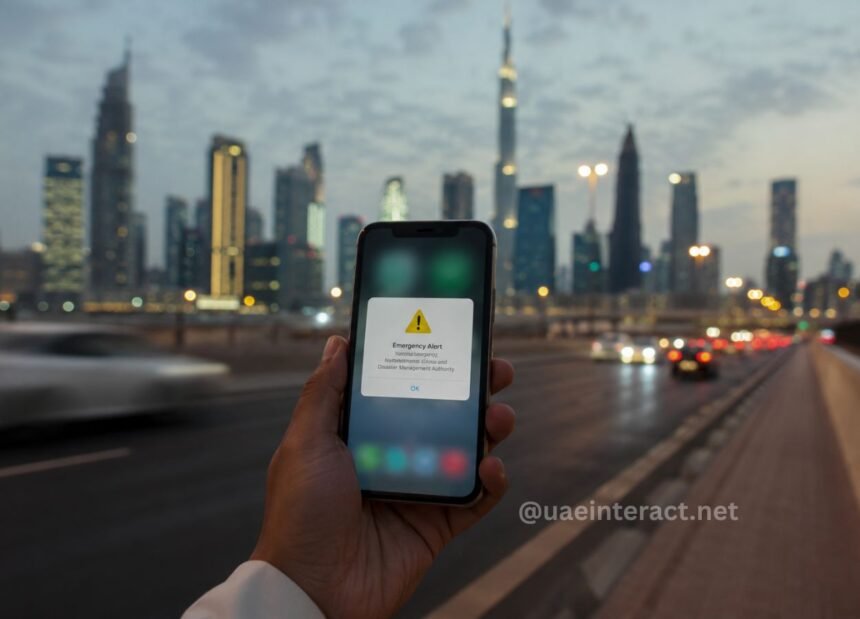
Mobile phones in the United Arab Emirates often make a lot of noise with warnings when the weather changes suddenly or when there are big security updates.
These warnings happen fast and are made possible by something called Cell Broadcast technology. This technology lets the people in charge send messages to millions of phones at the same time all across the United Arab Emirates in just a few seconds.
The system that sends these warnings is run by the National Emergency Crisis and Disaster Management Authority, which works closely with the Telecommunications and Digital Government Regulatory Authority and the phone companies e& and du.
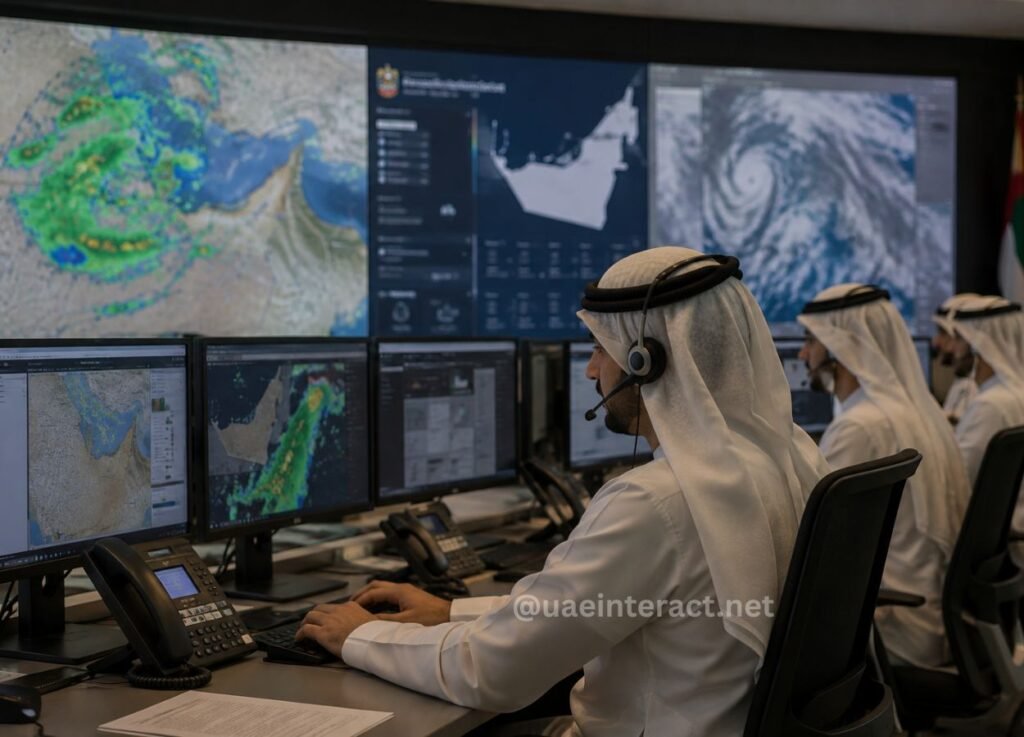
The way Cell Broadcast works is different from text messages. Regular text messages go to each phone one by one. Cell Broadcast sends messages to all the phones in a certain area at the same time using the cell towers.
This means that when a lot of people are using their phones the warnings still get through right away and it also keeps the information about the people who get the messages private.
During real-time incidents such as heavy rainstorms, reduced road visibility, or elevated security protocols, authorized command centers trigger emergency signals to active devices within specified geographic corridors.
The alerts display high-priority popup messages on screen while triggering a unique, piercing auditory alarm designed to override standard silent or do-not-disturb modes, ensuring immediate public awareness.
National authorities highlight that this digital emergency network forms a cornerstone of the country’s proactive disaster response strategy.
By transmitting immediate instructions directly to the public, the platform enables residents to take prompt precautionary measures, avoid hazard zones, and follow government safety directives without delay.
Authorities continuously urge community members to follow guidance sent through official emergency alert channels and refrain from circulating unverified rumors.