
There’s rising business considerations about human error as some governments weigh harder laws for computerized riding techniques
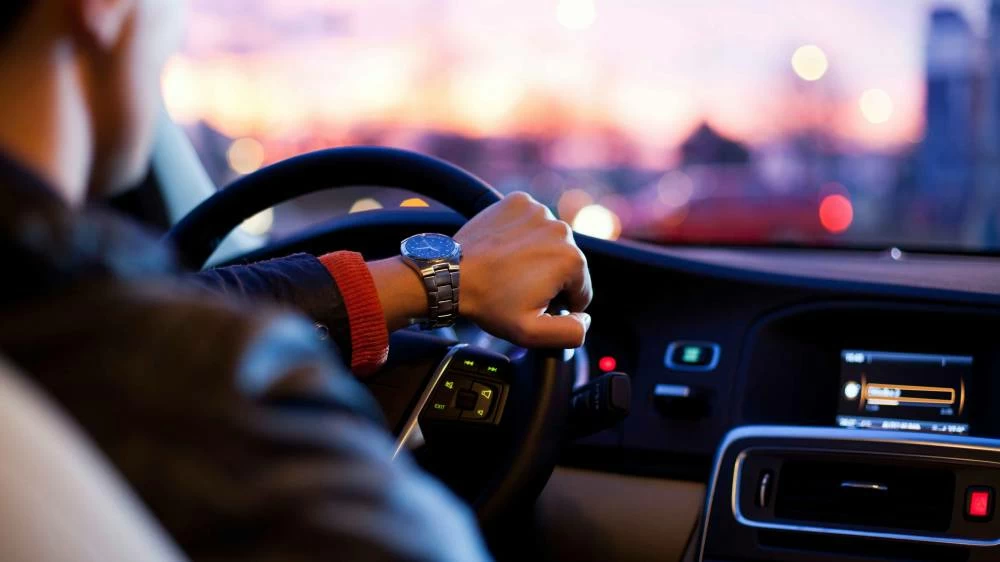
MILAN/STOCKHOLM: Motorists’ misuse of driver-assistance generation and drivers being distracted via in-vehicle options, somewhat than mechanical issues, are the largest dangers for avenue security, in line with a survey of delivery experts.
The survey, revealed on Wednesday, displays business considerations about human error as some governments weigh harder laws for computerized riding techniques.
Within the U.S., considerations have grown over options introduced via automakers, together with Ford’s BlueCruise machine and Tesla’s Complete Self-Using, which is looking for popularity of a Europe-wide rollout.
“We need to make sure that those systems are really explained to the end-user and proposed with a clear visibility of what they can do and what they cannot do,” mentioned Ignacio Alvarez, R&D Leader at Italian brake maker Brembo, which financed the survey.
The survey, performed via Economist Endeavor, a department of The Economist Crew, coated over 1,000 delivery experts in coverage, infrastructure, production and generation throughout car-producing international locations France, Germany, Italy the United Kingdom, China, India, Brazil, Japan, South Korea and United States.
“The real risk is the interface between humans and machines and increasingly automated systems,” mentioned Economist Endeavor analysis chief Pratima Singh.
Thirty % of delivery experts surveyed cited human false impression or misuse of riding help techniques because the main motive force of mobility issues of safety, whilst in a separate query on security dangers of user-vehicle interplay, 24% pointed to increasingly more distracting in-vehicle options.
Two-thirds of pros believed promoting overstated those techniques’ functions, “creating unrealistic expectations,” Singh mentioned.
In China, regulators are making an allowance for tighter oversight of complex driver-assistance techniques following a deadly crash involving a Xiaomi car.
In Europe, a Swedish delivery authority is recommending a vote in opposition to the Europe-wide rollout of Tesla’s supervised self-driving device, until the U.S. EV maker disables its skill to exceed felony pace limits, a letter presentations.
A United Countries car requirements discussion board licensed new regulations for automated-driving techniques closing month.
The Economist Endeavor survey additionally polled over 5,000 road-users, 88% of whom mentioned they improve harder road-safety measures, suggesting backing for stricter legislation. )