

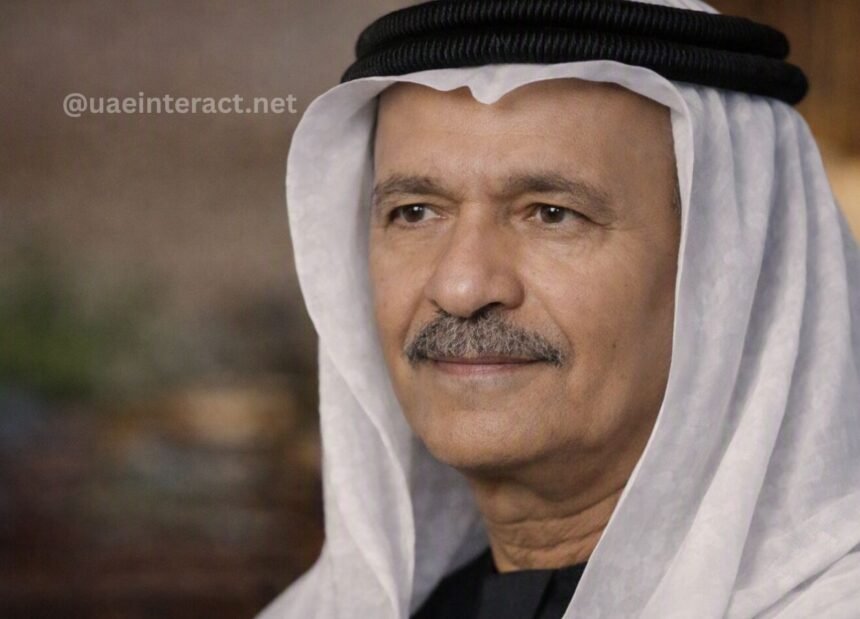
The death of Obaid Humaid Al Mazrouei, founder and editor-in-chief of the newspaper Al Fajr of the United Arab Emirates, occurred yesterday morning and marked the end of a career of over half a century devoted to the media and associated with the development of the UAE since its federation.
Al Mazrouei, born in 1935 in Ajman, followed an unusual route in becoming a journalist. Indeed, he worked initially in Saudi Arabia’s oil industry and then in banking before taking up journalism because of his belief that words and media could be useful for the nation and society.
It is from this belief that Al Mazrouei obtained the publishing license for the newspaper Al Fajr in 1974, the first issue of the newspaper was printed on March 17, 1975.
The paper began as a weekly before converting to a daily format in 1978, remaining part of the country’s media landscape ever since.
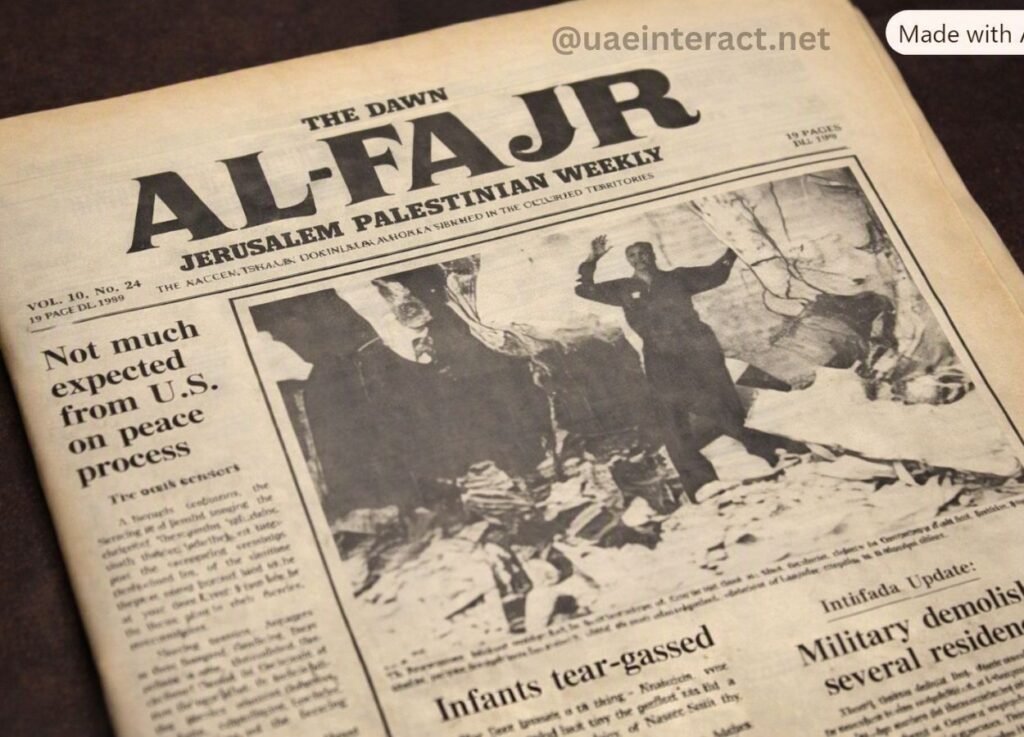
Colleagues and commentators have noted that its very name, meaning “the dawn,” carried symbolic weight for a publication launched alongside a young nation finding its footing.
Beyond the newsroom, Al Mazrouei built a parallel reputation as a poet and writer with a deep interest in heritage and Arabic literature.
He used Al Fajr as a platform for that passion, most notably through its “Fajr Al Shu’ara” supplement, which gave rising poets across the UAE, the Gulf and the wider Arab world a space to be heard.
His written legacy also includes two literary works, “The Events of Time and the Pillars of Construction” and “The Necklace of Pearls in Praise and Eloquence,” alongside decades of journalistic output.
Tributes from within the UAE’s media and cultural community have described him as a figure who treated journalism as a national duty rather than simply a profession, one focused on documenting the country’s transformation and preserving its collective memory.
His death marks the loss of one of the last surviving pioneers from the generation that built the UAE’s national press in the years immediately following unification.