
Brent crude futures had been final up $1.50, or 1.8%, to $84.80 in keeping with barrel at 0330 GMT, whilst U.S. West Texas Intermediate crude rose $1.70, or 2.2%, to $79.84 a barrel.
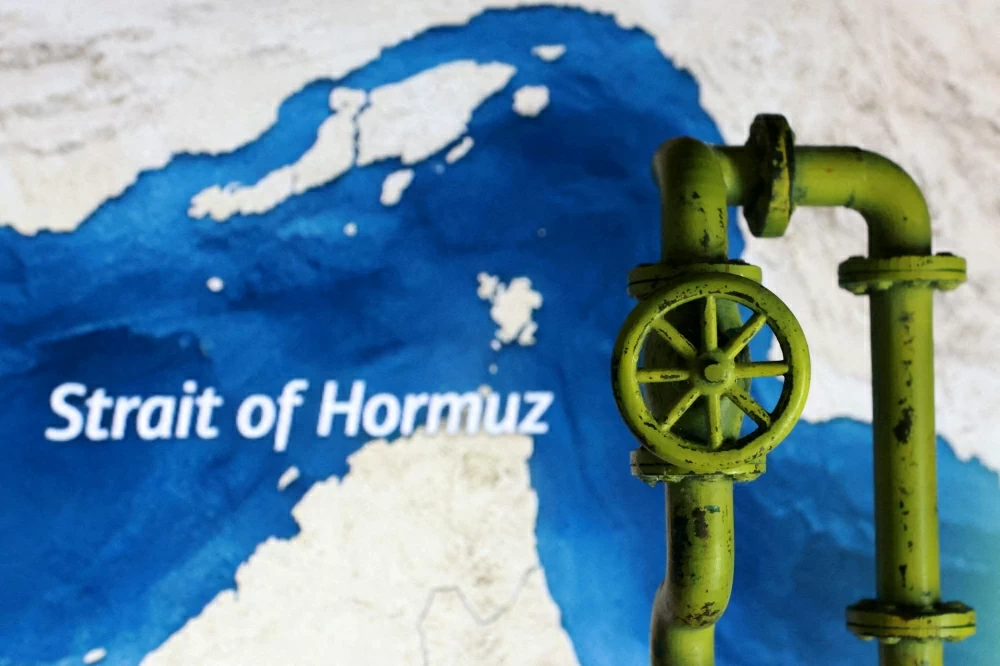
SINGAPORE: Oil costs rose just about 3% on Tuesday to their easiest in 4 weeks, because the U.S. reimposed its naval blockade of Iran whilst the 2 international locations stepped up assaults within the Strait of Hormuz, heightening uncertainty about power flows.
Brent crude futures had been final up $1.50, or 1.8%, to $84.80 in keeping with barrel at 0330 GMT, whilst U.S. West Texas Intermediate crude rose $1.70, or 2.2%, to $79.84 a barrel.
Each contracts previous rose greater than $2 a barrel prior to paring some good points, whilst Brent had surged 9.6% within the earlier consultation, its greatest day by day acquire since Would possibly 2020.
Oil costs at the moment are at their easiest since the 2 international locations signed a memorandum of working out to finish the battle on June 17.
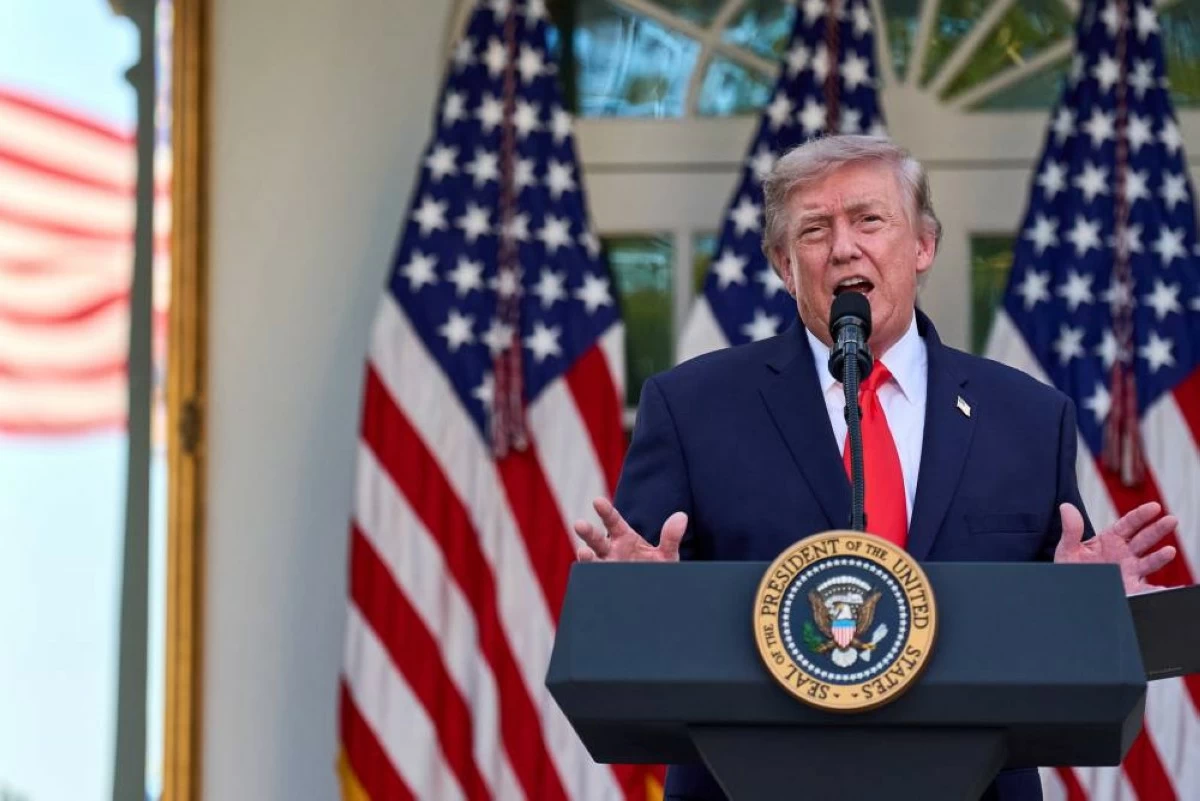
The U.S. army performed a 3rd consecutive night time of moves in opposition to Iran on Monday, as U.S. President Donald Trump reinstated a blockade of Iranian transport and proposed charging a 20% rate to protect the Strait of Hormuz.
“The latest escalation, including the U.S. reinstatement of the blockade and Iranian responses, has clearly injected fresh risk into the market,” KCM Industry leader marketplace analyst Tim Waterer mentioned.
“While a full closure hasn’t occurred, the competing objectives of both sides have made the supply picture highly uncertain,” he added.
Amid the moves, two United Arab Emirates tankers had been hit by way of two Iranian cruise missiles within the southern lane of the Strait of Hormuz in Omani territorial waters, the UAE Ministry of Defence mentioned on Monday, killing one Indian workforce member and wounding 8 others.
Transport knowledge on Monday additionally confirmed the collection of tankers transiting the Strait of Hormuz fell previously day to the bottom degree in two months.
“The key variable to monitor is the physical movement of crude through the Strait of Hormuz. Any meaningful blockage of tanker traffic, prolonged reduction in vessel movements, or disruption to export flows would likely trigger another leg higher in oil prices,” mentioned Phillip Nova analyst Priyanka Sachdeva.
“Conversely, if barrels continue to move despite the military escalation, part of the current geopolitical premium could gradually fade.”
In different places, Yemen’s Houthi motion fired missiles at Saudi Arabia after accusing the kingdom of bombing an airport beneath its regulate on Monday.
“If the Houthis extend their attacks to Saudi’s crude products in the Red Sea, it could put (further) uncertainties on crude flows from the region,” Simon Wong, a portfolio supervisor at Gabelli Budget, mentioned in a notice.
In the meantime, U.S. crude oil stockpiles had been anticipated to have fallen final week, whilst fuel and distillate shares most likely rose, a initial Reuters ballot confirmed on Monday.