

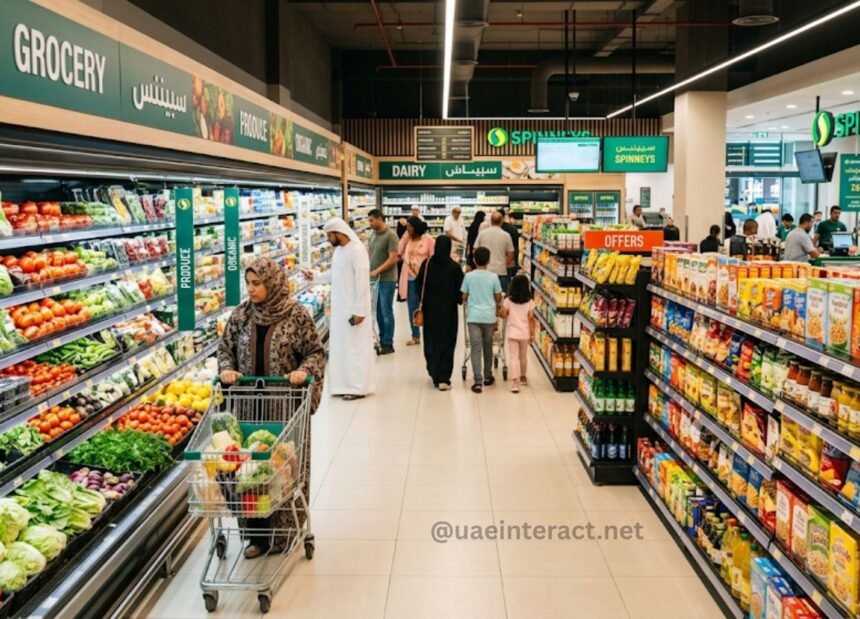
People who live in Dubai are changing the way they buy food every week. They want to save money on the things they need to buy every day. Experts who know about shops and money say that planning ahead using technology and being loyal to supermarkets can help people in Dubai save a lot of money on food.
When we look at how much people spend in Dubai we see that food is one of the expenses, after paying for a place to live. So people are trying to find ways to buy food that will not cost them much money.
They want to get the value for their money whether they are shopping at big stores or buying food online and having it delivered quickly. Food shopping is a part of living in Dubai and people are looking for ways to make food shopping more affordable.
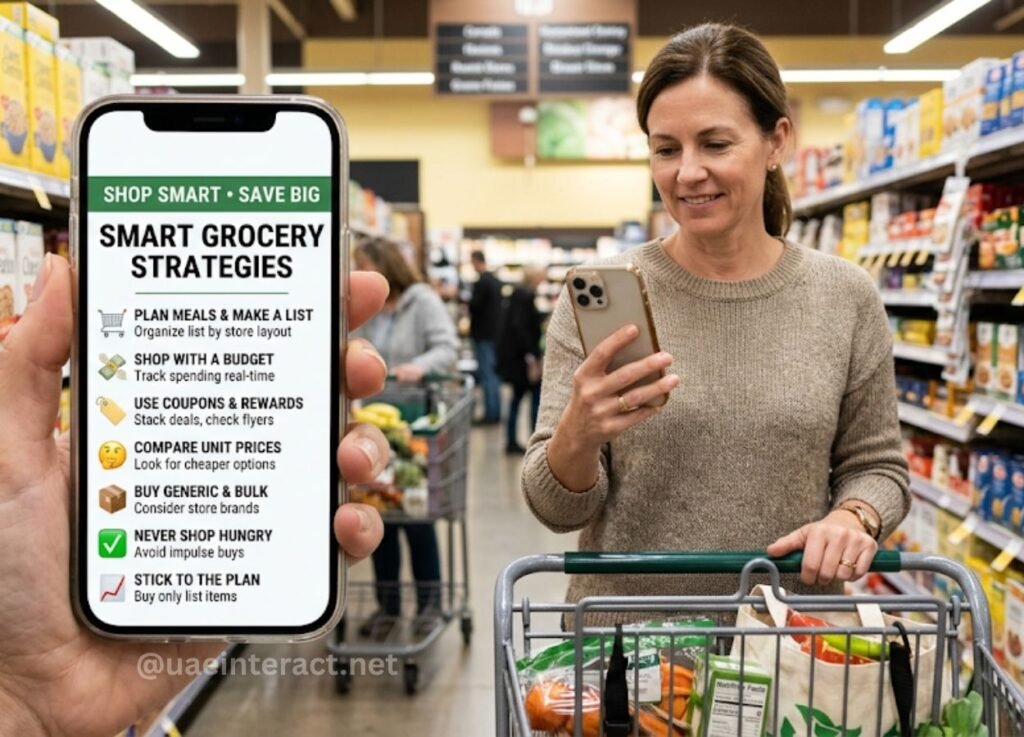
A foundational strategy recommended by retail experts involves auditing household inventory prior to initiating food purchases. Planning weekly menus and relying on structured purchasing lists prevents impulse buying, which frequently accounts for unnecessary spending spikes.
Furthermore, consumer advisors suggest monitoring seasonal promotions across major UAE supermarket chains and leveraging price-tracking platforms managed by federal commerce authorities.
Timing and brand selection play equally vital roles in optimizing household expenditures. Purchasing local and regional agricultural produce rather than imported air-freighted items significantly reduces checkout totals without compromising nutritional value.
Additionally, consumers benefit from opting for private-label house brands offered by established retail groups, which routinely deliver comparable quality at a lower price point than international labels.
Digital convenience continues to reshape purchasing habits across the country. Utilizing quick-commerce delivery apps during promotional windows, joining multi-tier retailer loyalty reward schemes, and scheduling bulk non-perishable orders during monthly sales events serve as primary methods for residents seeking long-term savings.
Buying stable staples like grains, oils, and hygiene products in higher quantities ensures a lower unit cost over time.
By integrating these structured habits into their routine, residents can navigate fluctuating commercial prices while maintaining high nutritional standards, ensuring financial stability amid the city’s dynamic economic landscape.