

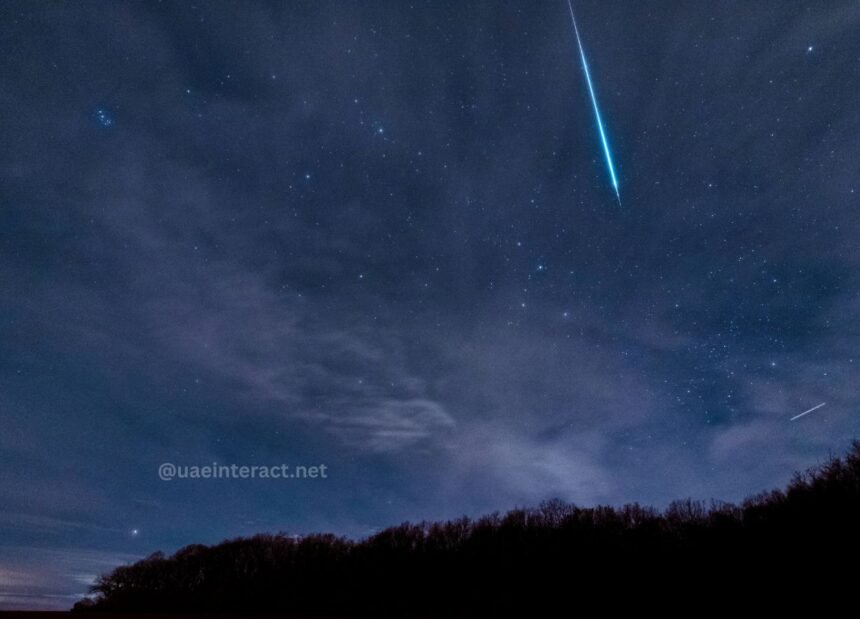
There are multiple ways of watching the Perseid meteor shower without leaving the cities and not spending much in the UAE, as the event reaches its peak on the night between August 12 and 13.
This meteor shower is one of the brightest displays in a year, and the viewing conditions in 2026 are especially good for that. There may be up to 100 meteors per hour visible at the optimal viewing conditions. One will get more from this experience by finding a location without any additional lights around.
One of the convenient ways of watching is Al Qudra Desert near Dubai, which is around an hour away from Dubai city center. It is free of charge and is an official place for individual stargazing, recommended by Dubai Astronomy Group.
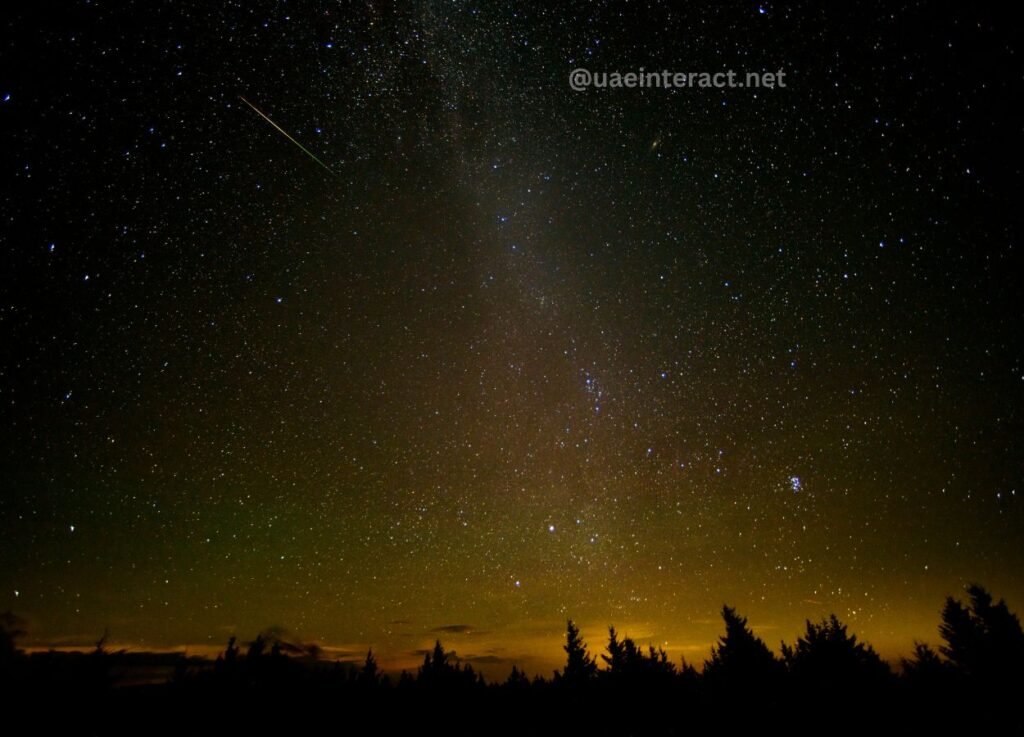
For those seeking darker skies, Al Quaa’s Milky Way spot in Abu Dhabi offers another free option. The location is around 90 minutes from Abu Dhabi and roughly two hours from Dubai, although a four-wheel-drive vehicle is recommended for the desert terrain.
Jebel Jais in Ras Al Khaimah provides a different setting at higher altitude. Its observation areas and mountain roads are accessible by car, while the elevation offers cooler conditions and distance from some coastal haze.
Other options include Al Marmoom Desert Conservation Reserve in Dubai, which provides relatively dark skies without requiring a long journey from the city; Wadi Shawka in Ras Al Khaimah, known for its rocky landscape and mountain backdrop; and Mleiha in Sharjah, where surrounding desert areas can be accessed for free, although organised events at the archaeological centre may carry a fee.
Stargazers should carry plenty of water, a torch with a red filter, a power bank and something comfortable to lie or sit on. August overnight temperatures inland can remain around 35°C.
For the best chance of seeing meteors, observers should allow their eyes time to adjust to darkness and avoid bright phone screens. The strongest viewing window is generally after midnight and into the early morning.