

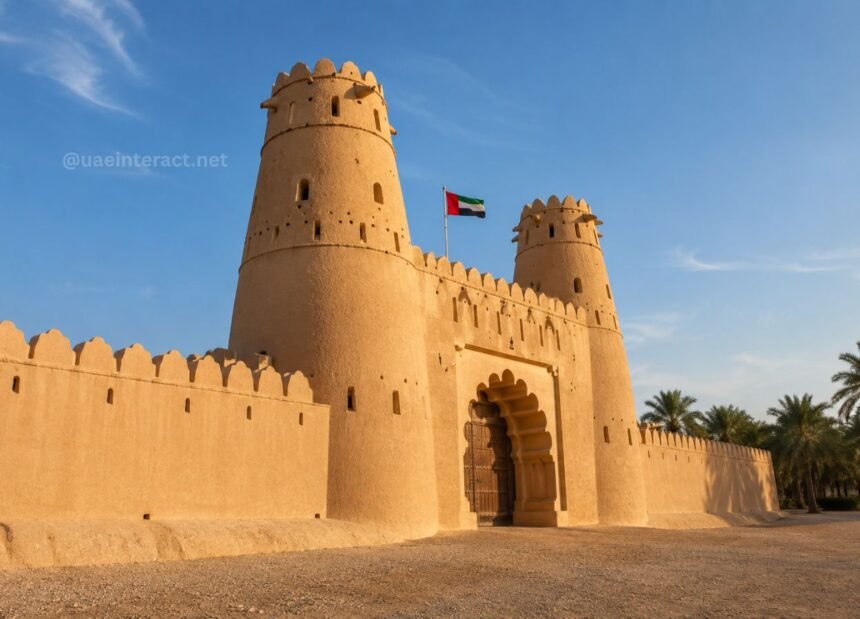
The UAE is a home to the growing collection of UNESCO World Heritage Sites which showcasing thousands of years of history alongside unique natural landscapes. From ancient archaeological settlements to protected mountain ecosystems, these internationally recognised sites reflect the country’s commitment to preserving its own cultural and environmental heritage for the future generations.
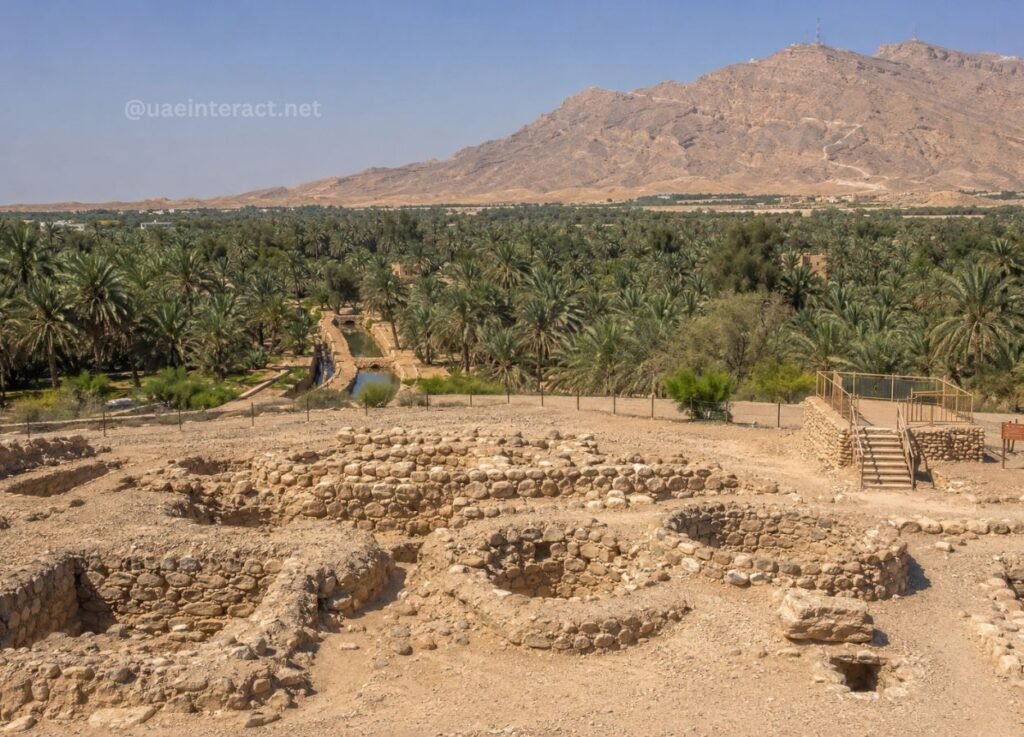
The UAE’s first UNESCO World Heritage Site was an Al Ain Cultural Site which was inscribed in 2011. The site located in Abu Dhabi comprises six oases, the archaeological parks of Hili, Bidaa Bint Saud and Jebel Hafeet, also the ancient tombs dating back more than 5,000 years ago. The designation recognises Al Ain’s importance as one of the oldest continuously inhabited settlements in the Arabian Peninsula and highlights the traditional falaj irrigation system that supported agriculture in the desert.
More recently, Wadi Wurayah National Park in Fujairah gained UNESCO World Heritage recognition, becoming the UAE’s first natural site on the prestigious list. Nestled within the Hajar Mountains, the reserve is renowned for its year-round natural waterfall, freshwater pools and exceptional biodiversity. The protected area is home to hundreds of plant and animal species, including rare wildlife such as the Arabian tahr, making it one of the country’s most significant environmental conservation areas.
UNESCO status is awarded to locations that possess outstanding universal value, whether for their historical, cultural or natural significance. The designation helps strengthen conservation efforts, supports scientific research and promotes responsible tourism while ensuring these landmarks are protected for future generations.
For visitors, the UNESCO-listed sites offer an opportunity to explore different chapters of the UAE’s story. Al Ain provides insight into ancient civilisations, early agriculture and traditional Emirati heritage, while Wadi Wurayah showcases the country’s remarkable natural diversity beyond its modern cities and desert landscapes.
Authorities continue to invest in the preservation and sustainable management of these sites through restoration projects, environmental protection measures and visitor education programmes. As interest in cultural and eco-tourism grows, the UAE’s UNESCO World Heritage Sites are expected to play an increasingly important role in attracting international visitors while preserving the nation’s identity and natural treasures.