

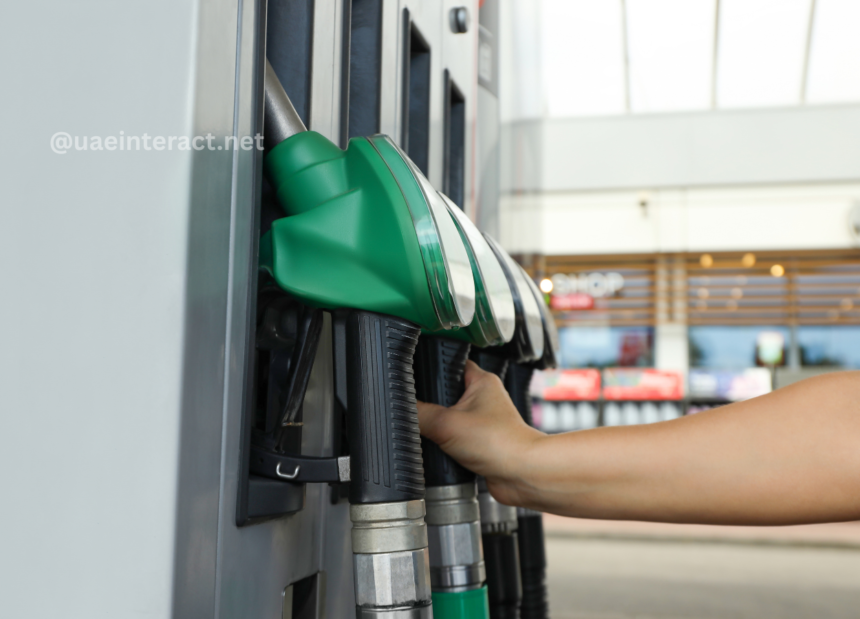
People who drive cars in the UAE are waiting to hear about the fuel prices for August. The people in charge of deciding the fuel prices will tell us what the new prices are for petrol and diesel today. These new prices will start from August 1.
The fuel prices went down in July, which was good for people who drive cars because they had been going up and down a lot before that. We do not know what the new prices are yet but some people who watch the markets think that petrol prices might go up in August. The price of oil has been a problem lately because of things happening in the Middle East and people worrying about whether we will have energy. The UAE looks at what’s happening with oil around the world to decide what to charge for fuel so all these things can affect the prices.
The UAE adjusts retail fuel prices at the end of every month based on movements in global oil markets and operating costs. The revised rates apply nationwide from the first day of the following month and cover Super 98, Special 95, E-Plus 91 petrol and diesel.
July’s reduction marked the first decline in fuel prices after earlier increases linked to rising global crude prices. However, renewed uncertainty in international energy markets has fuelled expectations that the downward trend may not continue into August. Industry observers say any increase will depend on the average global oil price recorded during the pricing period and the committee’s final assessment.
The official announcement is expected later today through the UAE Fuel Price Committee and will be reflected at service stations across the country from August 1. Motorists planning long-distance travel or regular commuting are advised to monitor the announcement before refuelling, as even modest changes can affect monthly fuel expenses.
The UAE has followed a deregulated fuel pricing system since 2015, with prices reviewed each month to align domestic retail rates more closely with international market conditions. As a result, petrol and diesel prices may rise or fall depending on global energy trends, geopolitical developments and changes in crude oil benchmarks.